
Inclusive web design ensures that every visitor, regardless of ability, background, or identity, can easily navigate, understand, and connect with your content. It combines accessibility, empathy, and thoughtful storytelling to make everyone feel welcome.
When your website reflects inclusion, it shows that your organization values people first. It transforms your digital presence into a reflection of your mission, building trust, community, and emotional connection with your audience.
Start by following accessibility best practices such as proper contrast, readable fonts, and alt text for images. Use diverse imagery and language that represent real communities. Partnering with a developer who understands inclusive design ensures your website embodies both your brand and your values.
“Inclusion is not a matter of political correctness. It is the key to growth.” — Jesse Jackson
June is Pride Month, a time to celebrate LGBTQ+ voices, stories, and the communities they shape. But visibility and inclusion shouldn’t stop at parades and social media posts. They should be embedded in the digital spaces we create.
As mission-driven organizations, your website should reflect the diversity of the people you serve. That’s where our Brand, Build, and Beta (GPS) process comes in. Because inclusion isn’t a single step, it’s a thoughtful journey.
Designing with Pride means integrating inclusive practices across all aspects of your web experience. It’s about creating a site that reflects your values and makes space for everyone, regardless of gender identity, orientation, or accessibility needs.
Inclusive design isn’t a one-size-fits-all checklist. It’s a mindset. It asks: Who might feel left out? Who might not feel represented or seen? How can we make sure everyone can access, engage with, and feel empowered by what we’re offering?
Inclusion increases engagement. When users see themselves represented in your visuals, language, and navigation, they’re more likely to trust your brand and support your mission. It builds deeper connections with your audience and fosters a sense of belonging that goes beyond the screen.
For nonprofits, inclusive design builds credibility and strengthens donor relationships. For educational institutions, it signals a safe space for learning. And for wellness brands, it promotes mental and emotional wellbeing for all.
In the branding phase, we uncover the heart of your organization. That includes defining your mission, voice, and the audience you serve.
Want to show you’re a safe, welcoming space for LGBTQ+ communities? Use language and visuals that reflect those values. This means inclusive imagery, gender-neutral language, and storytelling that centers diverse identities.
Pro Tip: Add a DEI (Diversity, Equity & Inclusion) statement or visibly support Pride initiatives year-round, not just in June.
Inclusive design is more than aesthetics. It’s about creating a structure where everyone can navigate, connect, and feel seen.
That means:
Remember: People are more likely to engage with your mission if your site feels like it was built with them in mind.
The Beta phase is your chance to test how your site works across devices, demographics, and identities.
Ask:
This phase also includes training your team to maintain that inclusivity, keeping your site relevant and welcoming as your audience evolves.
Inclusive websites isn’t just good UX, it’s good humanity. This Pride Month, let your website reflect the values your organization lives by.
Whether you’re a nonprofit, university, arts group, or wellness brand, now is the time to ensure your site tells every visitor: You belong here.
“When we listen and celebrate what is both common and different, we become a wiser, more inclusive, and better organization.”— Pat Wadors
Want to check how inclusive your current website feels? Let’s run a quick audit together.
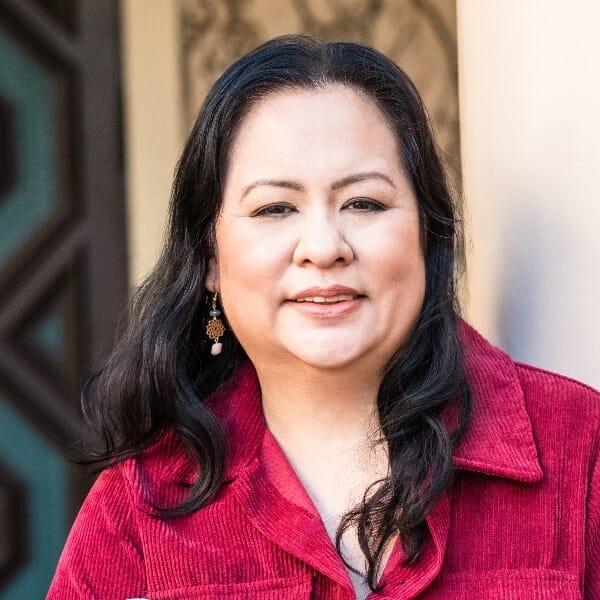
Frances Naty Go is the founder of Goldlilys Media, where she helps mission-driven organizations turn their websites into clear, durable systems that support meaningful work over time. She works with museums, nonprofits, health and wellness brands, higher education, life sciences, travel organizations, and expert-led businesses.
With a background in Computer Science from UC San Diego, Frances brings a thoughtful, strategic approach to building digital experiences that educate, orient, and build trust, without unnecessary complexity.




Not ready to commit yet?
I get it.
Get my free guide:
"15 Warning Signs Your Website Is Holding You Back"