
She has been a pleasure to work with and we truly could not have done it without her.
ADA and WCAG Accessibility
Website accessibility work that lowers legal risk and makes your site easier for every visitor to use.
Website accessibility means people with disabilities can use your site, including those who rely on screen readers, keyboards, captions, or high contrast. For museums and nonprofits, WCAG 2.1 AA is the standard most often used. We audit your site, fix the problems, train your team, and monitor changes over time.
Website accessibility means people with disabilities can use your site, including those who rely on screen readers, keyboards, captions, or high contrast. For museums and nonprofits, WCAG 2.1 AA is the standard most often used. We audit your site, fix the problems, train your team, and monitor changes over time.
Why Accessibility Matters for Your Organization
Your website is often the first visit. People use it to plan a trip, read about an exhibition, register for a program, or give. If a visitor cannot use a menu, read a label, or complete a form, they leave, and you may never know it happened.
Accessibility also carries legal and funding weight. Government-run museums fall under the ADA's Title II web rule, and private nonprofits are commonly held to the same standard in practice. Funders and partners increasingly ask about it. Counsel should confirm which rules apply to your institution, and we work from that guidance.
There is a practical benefit as well. The same work that helps assistive technology, such as clear headings, text descriptions for images, and readable pages, also helps search engines and AI tools understand your content.

Accessibility Audit
We review your key pages against WCAG 2.1 AA using automated tools and manual checks, and document each finding by page and by WCAG criterion. You get a prioritized list, not a general score.
Accessible Design Adjustments
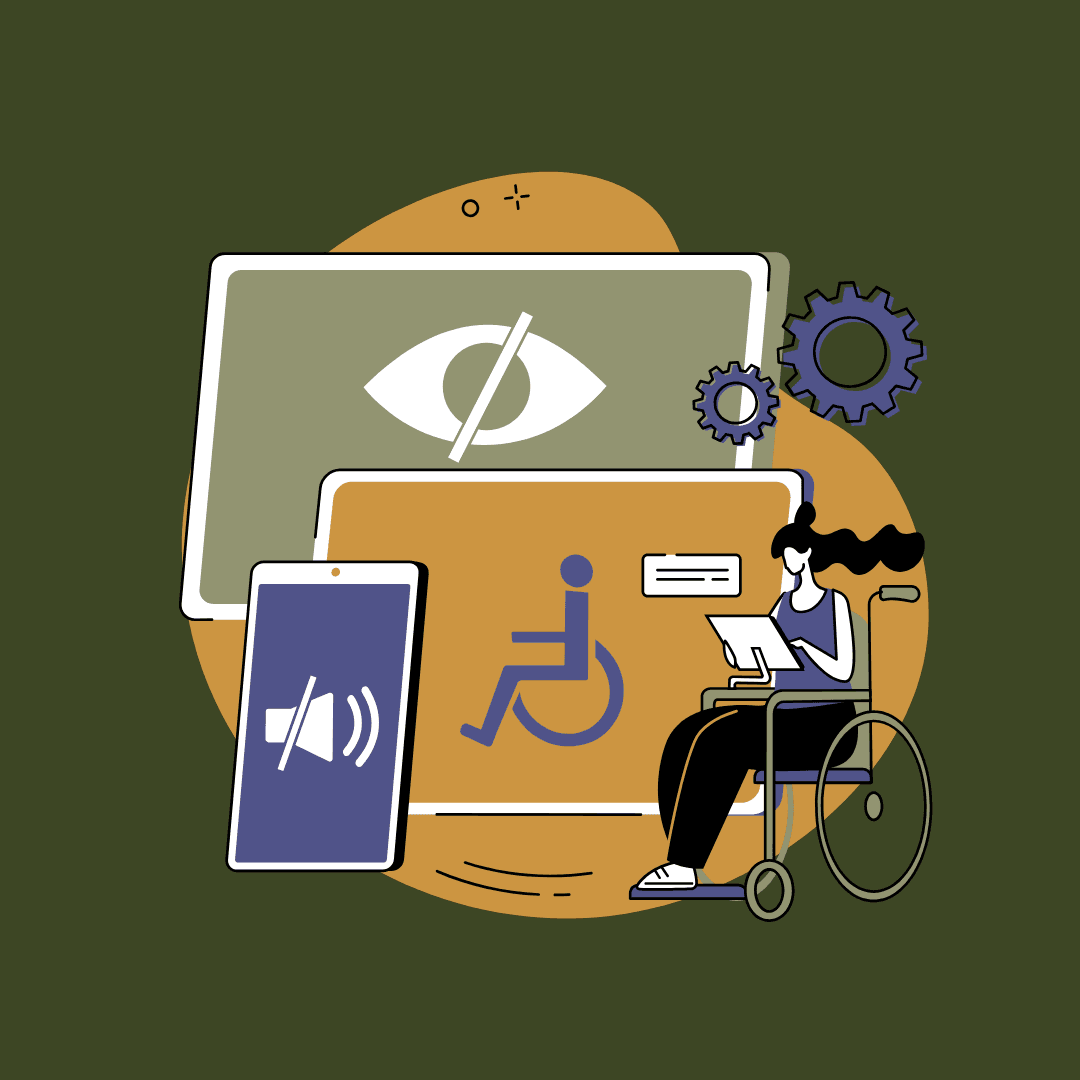
We correct color contrast, text size, spacing, and layout. When your brand colors fail contrast requirements, we make the smallest change that passes and keep your visual identity.
Assistive Technology Support
We make sure menus, forms, buttons, and interactive features work by keyboard and with screen readers, and that images, links, and form fields have clear labels.
Accessible Collections, Events, and Documents
We help with the content museums publish most: object and exhibit images, captions, event listings, and PDFs.
Compliance Testing
After fixes, we test again by tool, by keyboard, and with a screen reader, and give you the results in writing.
Training for Your Team
We show the people who publish content how to keep new pages accessible, including image descriptions, headings, captions, and documents.
What Accessibility Work Gives Your Organization
ADA Compliance FAQs
WCAG 2.1 AA is the standard most institutions, funders, and legal settlements use for website accessibility. Government-run museums face a federal rule that requires it, and private museums are commonly held to it in practice. Meeting it also makes the site easier for every visitor to use. Confirm your specific obligations with counsel.
Title II applies to state and local government entities, including museums operated by a city, county, or public university. Title III applies to places of public accommodation, which generally includes private nonprofit museums. Compliance dates and enforcement differ, and federal deadlines have shifted. Ask your counsel which title covers your museum and what date applies.
Start with the items that affect the most visitors: alt text on images, a logical heading structure, sufficient color contrast, keyboard access to every menu and button, captions on video, and labels on forms. Test key pages with an automated tool, then by keyboard and with a screen reader. Automated tools catch only part of the problems.
Each object or exhibit image needs a meaningful text description, videos need captions, and downloadable documents such as PDFs should be tagged for screen readers. Interactive features, such as zoom viewers and filters, must work by keyboard. Plan this when you set up collection content, since correcting thousands of records later is slower and costs more.
We combine automated tools with manual checks. Automated scans (WAVE, axe DevTools, and Lighthouse) find missing alt text, heading problems, and contrast failures. We then verify color contrast with the WebAIM Contrast Checker, test key pages by keyboard, and review them with a screen reader. Automated tools catch only part of the problems, so the manual checks matter.
No. New exhibitions, events, images, and PDFs can introduce new gaps after launch, and standards change over time. We recommend regular checks and training for the staff who publish content, so problems are caught early. This is part of the ongoing care in our Sunlight Monthly Retainer.
Why Our Clients Trust Us
I highly recommend Frances for her ability to collaborate with designers, solve complex problems, and maintain a high quality of excellence throughout her work.

Ready to Make Your Site Accessible?
If you are not sure where your site stands, start with the Executive Website Clarity Assessment. It includes an accessibility review, shows what matters most, and gives you a realistic plan.