
Because impact depends on coordinated trust. Boards, donors, families, staff, and partners all shape outcomes. No organization operates in isolation.
For most stakeholders, the website is the first evaluation point. It signals stability, governance maturity, and long-term seriousness.
A quiet credibility gap forms. When the inside and outside don’t align, hesitation increases, especially in high-trust sectors like nonprofit and healthcare.
Yes. In mission-driven work, your website is often the first signal of institutional credibility. Even established organizations are evaluated digitally before relationships begin.
When your organization has matured: stronger governance, clearer strategy, higher standards, but your website still reflects an earlier chapter. The gap is subtle, but stakeholders feel it.
“Alone we can do so little; together we can do so much.” – Helen Keller
We often share that quote as inspiration.
Something encouraging. Something hopeful.
In my last post, I wrote about the difference between caring about the work and caring for the work.
That idea has stayed with me.
Because mission-driven organizations don’t operate alone.
There are board members making governance decisions.
Donors choosing where to invest trust.
Executive leaders accountable for outcomes.
Community members deciding whether to engage.
Partners evaluating credibility.
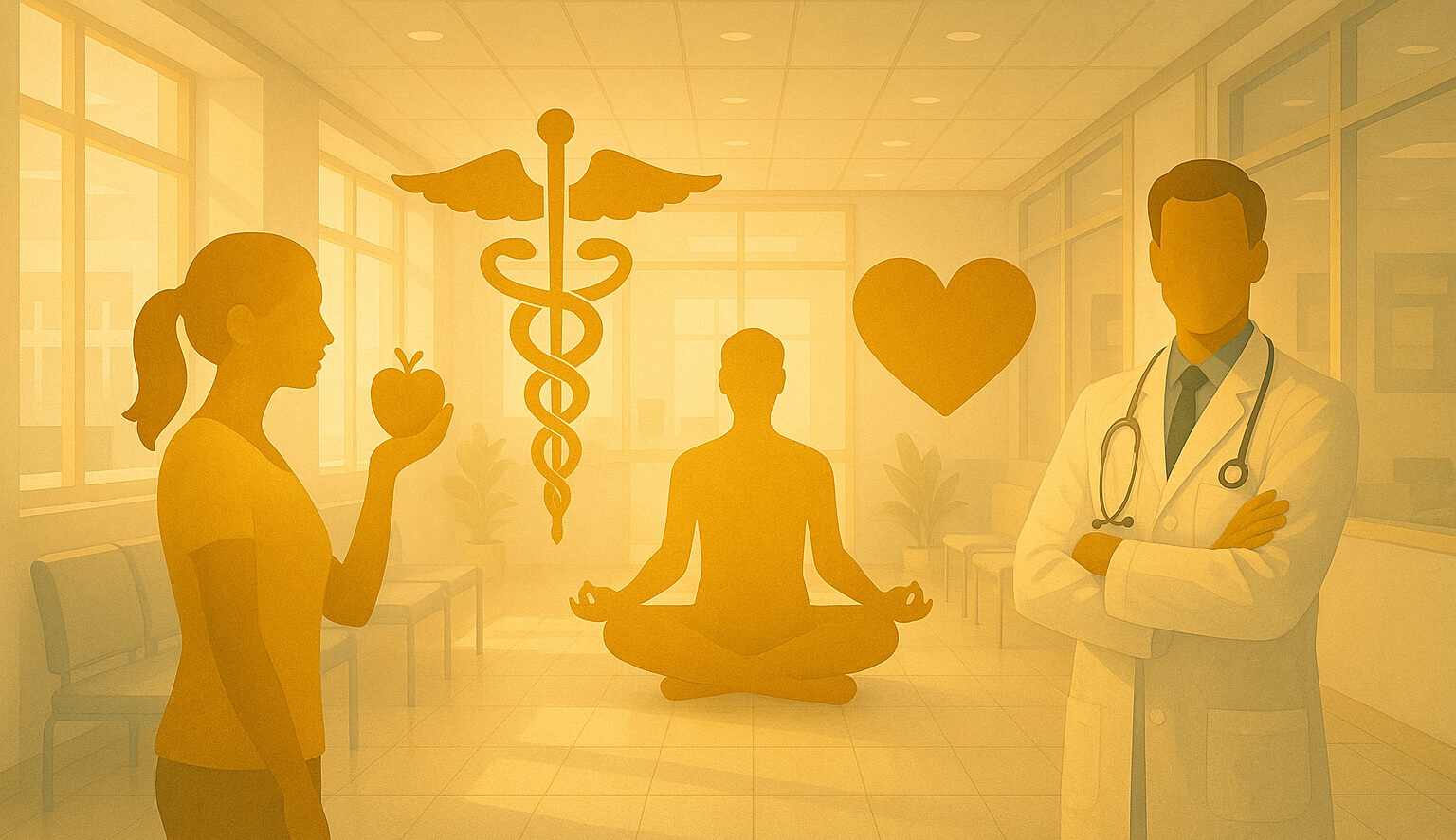
In healthcare settings serving older adults, the ecosystem is even more layered:
Families researching care options for someone they love.
Medical professionals assessing standards of care.
Regulators expecting transparency and compliance.
Staff making daily judgment calls that affect real lives.
Caregivers carrying enormous emotional and physical responsibility.
Impact happens in the space between people.
And that’s where things get interesting.
Because impact is not simply produced. It is coordinated.
It requires alignment, clarity, and shared trust.
And that trust is constantly being evaluated.
When I shared the story of the Executive Director who said,
“I love this organization. I just wish our website reflected how serious we are,”
what struck me wasn’t frustration.
It was responsibility.
She understood that loving the organization wasn’t enough.
It had to be represented well, not for ego, not for image, but for everyone connected to it.
Because in mission-driven work, your reputation doesn’t belong only to you.
It belongs to the ecosystem around you.
Board members stake their names on it.
Donors align their generosity with it.
Staff invest their time and careers in it.
Communities place their trust in it.
The same is true for senior healthcare leaders.
You may have exceptional caregivers.
Strong internal protocols.
Deeply committed staff.
Thoughtful leadership making careful decisions every day.
But families, partners, and potential hires often encounter you first through your digital presence.
And they are quietly asking:
Is this place steady?
Is it well-run?
Can I trust the people making decisions here?
Does this organization feel built to last?
In high-trust environments, especially healthcare, those impressions carry weight.
They shape whether someone schedules a tour.
Submits an application.
Reaches out about a partnership.
Makes a donation.
Those decisions don’t happen in isolation.
They happen in relationship.
Most organizations I work with don’t think in terms of “audiences.”
They think in terms of relationships:
Board members
Donors
Visitors or residents
Funders
Families
Partners
Staff
Volunteers
Each group looks at the organization through a slightly different lens.
Board members look for governance maturity.
Donors look for stewardship and clarity of impact.
Families look for reassurance and stability.
Prospective staff look for professionalism and purpose.
Partners look for alignment and credibility.
But almost all of them pass through the same doorway first: the website.
And that’s where subtle signals start to matter.
Does this feel steady?
Does it feel clear?
Does it signal stability?
Is it built for the long term?
No one announces these questions.
But they’re there.
And in environments built on trust, subtle signals compound.
Here’s the tension many experienced leaders quietly feel.
Leadership deepens over time.
Governance strengthens.
Strategy becomes clearer.
Programs evolve.
Care standards improve.
Internal systems become more sophisticated.
The organization grows up.
But websites often stay frozen in an earlier chapter.
Not because anyone is careless.
Because leaders are focused on the work itself.
In healthcare settings especially, attention is rightly focused on people: residents, patients, families, staff.
The daily responsibility is real and immediate.
Updating a website rarely feels urgent in comparison.
Until the gap becomes noticeable.
The leadership is mature.
The internal systems are thoughtful.
The care is exceptional.
But the digital presence doesn’t reflect that depth.
That gap creates subtle doubt in environments where trust must be immediate.
And doubt, even quiet doubt, slows momentum.
If your impact depends on people working together, your website isn’t just a communication tool.
It’s part of the system that supports those relationships.
It is often the first encounter.
The first impression.
The first evaluation.
It should:
Not louder.
Not trendier.
Just steady. Clear. Built for what comes next.
Because “together” only works when the structures holding everyone together are strong.
When the digital layer lags behind the institutional reality, conflict enters the system.
When it coordinates, trust accelerates.
Mission-driven leadership isn’t romantic.
It’s steady.
It’s accountable.
It’s long-term.
It’s relational.
It involves thinking not just about today’s needs, but tomorrow’s responsibilities.
The same should be true of your digital presence.
It shouldn’t feel like a campaign.
Or a project you check off a list.
It should feel like infrastructure.
Something that grows with you.
Something your team feels confident updating.
Something that reflects the seriousness of your work.
Because in ecosystems built on interdependence, representation isn’t cosmetic.
It’s structural.
You don’t operate alone.
Your stakeholders don’t evaluate you in isolation.
And your website is not separate from your credibility.
It is part of it.
“No man is an island.” – John Donne
Mission-driven institutions aren’t either.
They exist within networks of trust: boards, families, donors, caregivers, partners, communities – all connected.
When those connections are strong, impact expands.
When the systems supporting them are clear and steady, trust deepens.
Your digital presence should reflect that reality.
Not loudly, not performatively, but with the same care and seriousness you bring to the work itself.

Frances Naty Go is the founder of Goldlilys Media, where she helps mission-driven organizations turn their websites into clear, durable systems that support meaningful work over time. She works with museums, nonprofits, health and wellness brands, higher education, life sciences, travel organizations, and expert-led businesses.
With a background in Computer Science from UC San Diego, Frances brings a thoughtful, strategic approach to building digital experiences that educate, orient, and build trust, without unnecessary complexity.





Not ready to commit yet?
I get it.
Get my free guide:
"15 Warning Signs Your Website Is Holding You Back"