Design Calm: Turning Stressful Websites Into Soothing Experiences
“Almost everything will work again if you unplug it for a few minutes, including you.” – Anne Lamott
Observing the Overlooked Stressors
May is Mental Health Awareness Month, a time to reflect on the wellness of our minds, not just our bodies. And while most of the conversation happens around work-life balance and therapy access, there’s another silent stressor we rarely acknowledge: frustrating, confusing websites.
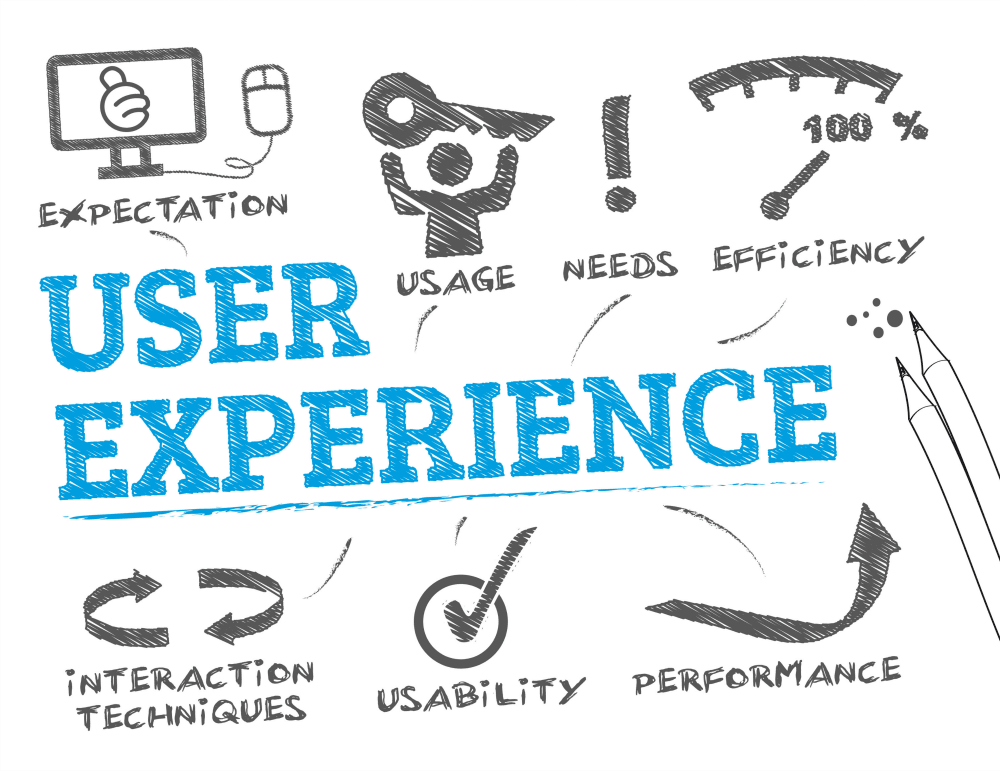
As someone who partners with nonprofits, universities, wellness brands, and cultural organizations, I’ve seen how the design and usability of a website can either soothe a visitor or stress them out. A cluttered interface, poor navigation, long load times, or a lack of accessibility doesn’t just impact conversions, it impacts emotional energy.
In the spirit of wellness, let’s talk about how your website can actually promote calm, clarity, and connection.
The Web Design Stress Test: What Are You Accidentally Triggering?
When a website is:
- Slow to load → it creates impatience
- Hard to navigate → it leads to decision fatigue
- Inaccessible → it causes exclusion
- Text-heavy or unclear → it overwhelms the brain
These issues don’t just frustrate users, they make them leave.
If you’re a mission-driven organization that wants to serve and support people, your website must reflect that intention. It should be a place of ease, clarity, and alignment with your audience’s needs.
5 Simple Fixes for a More Emotionally Supportive Website
- Simplify the Navigation
Keep menus clear and concise. Group similar pages. Make the path to action (donate, join, register) obvious. - Increase Readability
Use larger font sizes, calm colors, and consistent heading styles. Avoid overwhelming users with blocks of dense text. - Boost Accessibility
Use tools like WAVE or Axe to test your site. Add alt text, fix color contrast, and make sure the site works via keyboard. - Speed Things Up
Optimize images, remove bloated plugins, and test with Google PageSpeed. A slow site creates tension. - Add Space & Flow
Whitespace isn’t empty, it’s clarity. Give your design room to breathe, and your users will breathe easier too.
- Simplify the Navigation
Reframing Digital Wellness Through Design
Mental Health Awareness Month invites us to examine not just our personal habits, but also the digital environments we create. For mission-driven organizations, your website isn’t just a tool, it’s often your first impression, your outreach hub, and your digital front door. When it causes frustration, even unintentionally, it reflects a missed opportunity to truly serve your audience.
Your website should feel safe and supportive. Much like a well-designed building that welcomes people with good lighting, clear signage, and accessible entryways, your website can do the same digitally. When you create clarity through intuitive design, you also create emotional relief for the person on the other side of the screen.
Digital wellness starts with intention.
Just as we prioritize accessibility ramps and inclusive language in our physical spaces, we must do the same online. Whether someone is navigating your site after a long day, managing anxiety, or simply trying to find resources for their community, a supportive web experience can offer more than information, it can offer peace of mind.
Wellness Begins with Intentional Design
As we honor Mental Health Month, remember: your website isn’t just a tool. It’s an experience.
And just like physical spaces are designed to feel welcoming or calming, your digital space should too. Small changes in your website can make a big difference in how supported and seen your visitors feel.
At Goldlilys Media, we believe every website can be a masterpiece, and that includes being gentle on the mind.
Let’s build digital experiences that uplift.
“Technology should serve humanity, not the other way around.” — Freeman Thomas
🧠💛 Want a wellness check for your website? Let’s talk about where we can simplify, optimize, and create clarity.
Why can a beautifully designed website still feel stressful to use?
Visual design alone doesn’t guarantee a positive experience. When websites prioritize aesthetics over usability, like slow loading times, confusing navigation, or cluttered layouts, they can overwhelm visitors. A truly great website balances beauty with clarity, speed, and accessibility.
How does website design affect mental health and user well-being?
A poorly structured or overly stimulating website can create frustration and cognitive fatigue, especially for users with sensory sensitivities. Thoughtful design, like calm color palettes, easy navigation, and clear language, reduces stress and helps visitors feel supported, understood, and at ease.
What can businesses do to make their websites more calming and user-friendly?
Start by simplifying. Focus on intuitive navigation, readable typography, and consistent layouts. Incorporate accessibility best practices and meaningful content that guides users with empathy. Partnering with a UX-focused web developer ensures your website not only looks beautiful but feels good to use. creating a positive, lasting impression.

Author Bio
Frances Naty Go is the founder of Goldlilys Media, where she helps mission-driven organizations turn their websites into clear, durable systems that support meaningful work over time. She works with museums, nonprofits, health and wellness brands, higher education, life sciences, travel organizations, and expert-led businesses.
With a background in Computer Science from UC San Diego, Frances brings a thoughtful, strategic approach to building digital experiences that educate, orient, and build trust, without unnecessary complexity.
Does Your Website Still Fit Where You're Headed?
A five-part checklist to help museums, nonprofits, and mission-driven organizations assess whether your website needs a redesign, a rebuild, or something else entirely.